Our Pollinator Loving Plants
The Pollinator Garden Nursery will have a variety of the plants listed below in 1 and 3 gallon sizes. Our plants are grown naturally from seed or cutting from our own stock. We do not buy from wholesale nurseries that have chemically sprayed. The plants listed below are tried and true and are sure to attract bees, butterflies and hummers to your garden space. Some have medicinal properties as well as being great for teas such as the Blue Pea. Our 1 gallon starter plants sell for $4 and more established 3 gallons are $7. We are not a wholesale nursery. Our mission is to teach families how to create pollinator landscaping and encourage areas where the pollinators like bees, butterflies and hummingbirds will thrive.

FIRESPIKE
Firespike, scientifically known as Odontonema tubaeforme, is a flowering shrub native to tropical regions, known for its striking red tubular flowers that attract hummingbirds and butterflies. It thrives in full sun or partial shade, prefers well-drained soil, and is moderately drought-tolerant once established.

PORTERWEED
The Florida native S. jamaicensis has a lowgrowing, sprawling habit and stays below 1 foot tall not including its blue-flowered spikes. Small blue or pink flowers appear in numbers on long spikes at the end of the stems, and are very attractive to butterflies and hummingbirds

TECOMA (YELLOW BELLS)
Large clusters of brilliant yellow flowers and bright green leaves make yellow bells (Tecoma stans) a standout landscape shrub. When in bloom, it’s truly a show-stopper that attracts the attention of humans, as well as hummingbirds, bees, and butterflies.
This native shrub is as tough as it is beautiful. It thrives in full sun and almost any soil, and needs little water once established.

KINGS MANTLE
Attracts Pollinators: Its flowers attract bees and butterflies, adding life to your garden. Thunbergia Erecta, commonly known as the King’s Mantle or Blue Sky Flower, is a fast-growing, evergreen shrub native to tropical Africa. It’s renowned for its vibrant, trumpet-shaped flowers that come in shades of blue, violet, and purple.

AGAPANTHUS
Also known by more common names such as Lily of the Nile and African Lily, these plants attract hummingbirds, bees and butterflies and are also excellent cut flowers, and many are deer and rabbit-resistant.
Warning the sap, leaves and rhizomes are toxic to humans and animals. Wear gloves and long sleeves when handling the plants and remember to wash your hands afterwards.
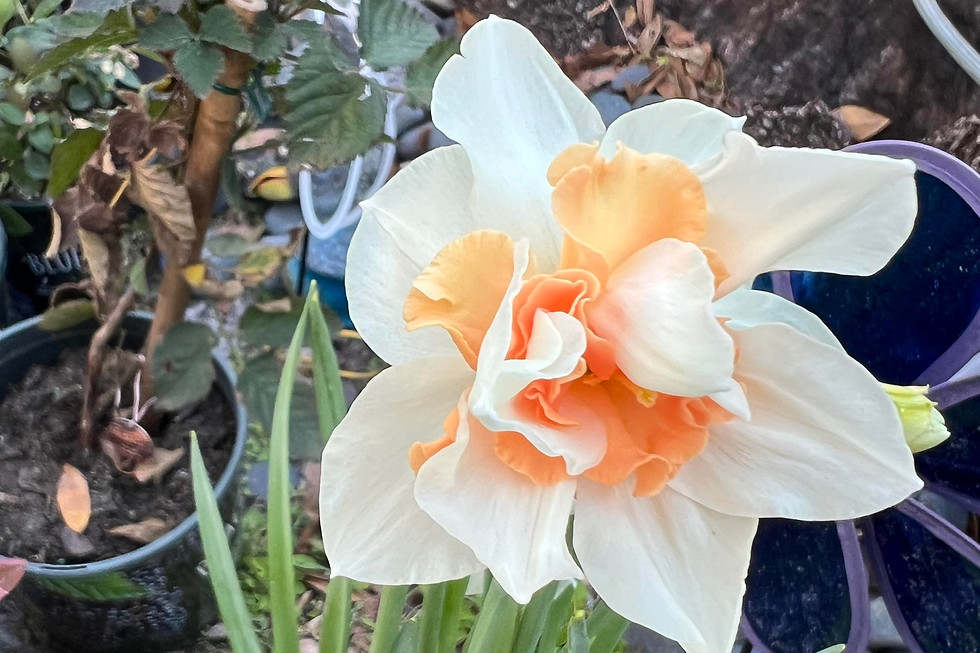
DAFFODIL
Daffodils are excellent at attracting bees, especially early in the spring when few other flowers are blooming. The bright colors and strong scent of Daffodil flowers can draw bees from a distance, providing an early-season source of nectar. This can make them a good choice for gardeners looking to support pollinators.

BLUE PEA VINE
The blue pea vine, or Clitoria ternatea, attracts various pollinators, especially bees & butterflies, due to its vibrant flowers. Blue pea vine, aka butterfly pea flower, offers several health benefits including improved brain function, reduced anxiety, enhanced skin & hair health. Rich in antioxidants, it helps fight oxidative stress & support overall well-being. Its flowers & young pods can be consumed & are often used to make herbal teas & as natural food colorants.

WEEPING HIBISCUS
Weeping hibiscus attract butterflies with their large, colorful flowers. These trees serve as a habitat for various butterfly species such as Cloudless Sulfurs, Gulf Fritillaries and Blues.
Weeping hibiscus trees are not only beautiful but also beneficial for local wildlife. These butterflies are drawn to the hibiscus for its nectar-rich flowers, making it an excellent addition to butterfly gardens.

GIANT IRIS
The Giant Regina Iris, also known as Neomarica caerulea, or Blue Walking Iris is a great choice for Florida gardens as it attracts pollinators like butterflies and other pollinators, enhancing biodiversity in gardens. Its foliage offers shelter for various wildlife, contributing to a healthy ecosystem. Giant Regina Iris prefers even moisture and can tolerate heat and humidity. It is also resistant to common pests like deer and rabbits

PLUMBAGO
The flowers of Plumbago serve as host plants for butterflies, including the Cassius Blue butterfly. While the plant provides visual allure, it is noted that it offers limited nectar for butterflies. Plumbago can support various butterfly species, including the Monarch and Queen, which lay their eggs on it. Blue Plumbago (Plumbago auriculata) is known for attracting hummingbirds and butterflies with its tubular, nectar-rich blue flowers.

SUNFLOWER
The Sunflower is a magnet for bees due to its bright, honey-scented flowers. The blooms provide a rich source of nectar and pollen, making them an excellent choice for gardeners looking to support local bee populations. The flowers typically attract Bumblebees, Longhorned bees and various wild bees. The plants also attract butterflies and hummingbirds. The leaves can also be fed to goats, sheep, chickens, & pigs in small amounts as they are rich in protein.
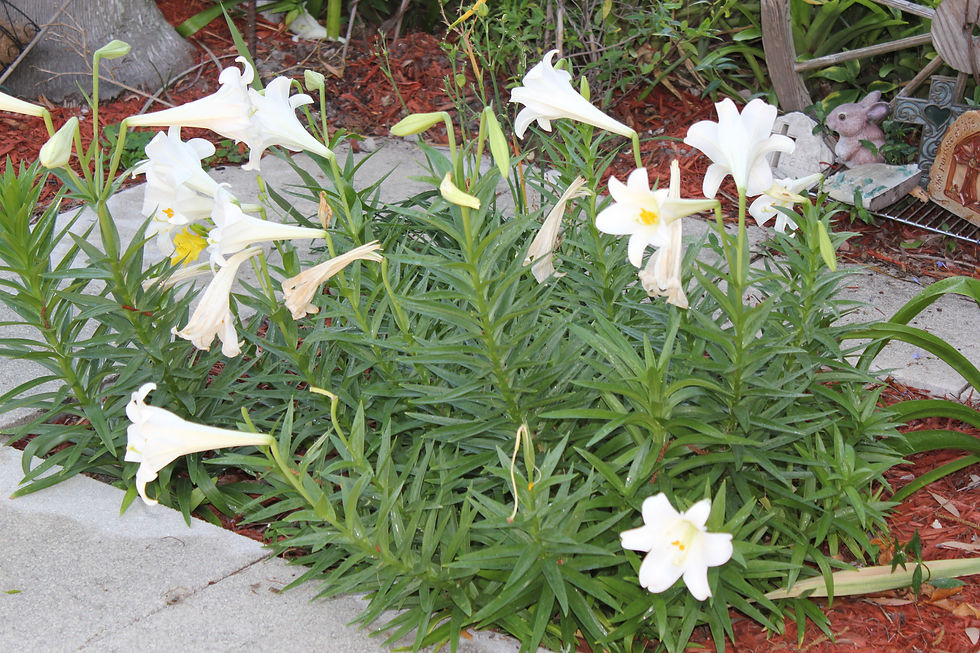
EASTER LILIES
Bees, particularly honey bees, play a crucial role in pollinating various flowers, including lilies. The flowers are fragrant and have a trumpet shape, making them attractive to pollinators like bees. Easter lily extracts can be used topically to treat various skin conditions, alleviate pain, and promote healing. Additionally, their diuretic and cooling properties make them valuable in supporting kidney health and reducing fever.

ECHINACEA
Echinacea adds bold, vibrant color to any garden and is a powerful magnet for bees, butterflies, and other beneficial pollinators. These stunning cone-shaped flowers visually impact and support your local ecosystem by providing essential nectar sources throughout their blooming season. Echinacea is known for its potential to boost the immune system and may help in fighting off colds and infections. It contains compounds that can increase white blood cell counts, which are important for fighting illness.

PAGODA
The pagoda plant (Clerodendrum paniculatum) attracts various pollinators, including butterflies and hummingbirds, due to its vibrant flowers and sweet aroma. These pollinators are drawn to the plant's funnel-shaped blooms, which are typically arranged in pyramid-shaped clusters. Will spread underground and is best to grow in container if you are concerned with the plant traveling. Creates a beautiful colorful backdrop that butterflies cant stay away from.